
Reveal Buttons Coupon code
Get the best deals for Reveal Buttons by SuperbThemes by clicking the link beow
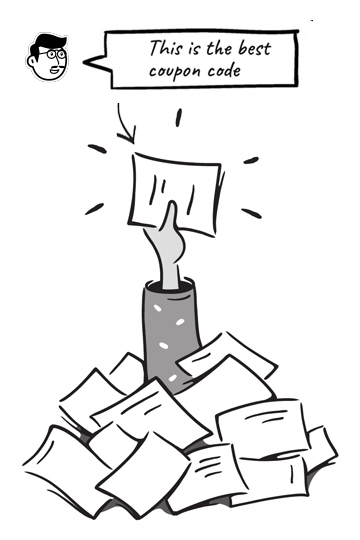
Picture a deals page with a bright “Reveal Code” button. You tap it. The code appears, a new tab opens to the store, and you’re already on your way to checkout. One small click, real progress.
A hidden code sparks curiosity because it was out of sight a second ago. That tiny information gap pulls you in. The act of hitting “Reveal” is a micro‑commitment, so you’re more likely to use the coupon. Momentum kicks in fast, shifting you from discovery into shopping.
It’s not luck. It’s basic psychology. Hide the code until the click, route the click through an affiliate link, and engagement climbs. Conversions do too, and it all runs inside WordPress, so dropping these buttons into posts or pages is simple. No code, no hassle.
Keep reading to see how the Coupon Reveal Button WordPress plugin works, step‑by‑step setup tips, smart ways to boost affiliate revenue, and practical tricks to grab live discounts yourself.
Why reveal buttons boost clicks and affiliate tracking
Smart reveal and redirect controls can lift your affiliate results. Choose whether a click copies the code and opens the affiliate link in a new tab right away, or waits for copy confirmation before sending shoppers off. More control, fewer missed clicks, smoother flow, and better odds of a conversion.
Auto-appended subIDs make source tracking simple. Add something like ?aff_sub=homepage-banner to every outbound URL automatically. You see which page or widget drove a sale, no extra tagging needed. Faster insights, quicker decisions, stronger focus on what works.
Look and feel should match your site, not fight it. Tweak text, colors, borders, and icons. Add trust badges to reinforce real deals. It adapts to light or dark themes on its own, so pages stay consistent.
Analytics hooks fire events when someone reveals a code, copies it, or clicks an affiliate link. Send these to Google Analytics 4 through data attributes or custom events and map each step in the funnel. Clear engagement signals make optimization straightforward.
Accessibility stays front and center. Buttons support focus, and ARIA labels update as codes appear. Keyboard users get visible focus states, so tab-only navigation works cleanly. Inclusive interactions widen reach and signal a serious, trustworthy site.
Key features for affiliates, from copy and redirect to design control
Install the plugin first. Go to your WordPress Dashboard, open Plugins, click Add New, search for “Coupon & Discount Code Reveal Button,” then click Install and Activate. Look for its menu entry or check Settings to confirm it’s active.
Add the button where it belongs. Insert it in a post, page, or a sidebar widget. Use the block editor’s plugin block, or drop in the shortcode if you prefer. Fill in the fields: add the coupon code (kept hidden until clicked), paste the destination URL for your affiliate link, and write the button text for before and after the reveal. Add a short after-reveal note like “Happy saving!” to keep the tone friendly.
Make copying painless. The plugin uses the Clipboard API, so when someone clicks Reveal, the code goes to their clipboard. Test it by clicking Reveal, pasting into a note, and confirming the code appears.
Fix link behavior and compliance. Open the outbound link in a new tab with target=_blank so visitors keep your site open during checkout. Add rel=”nofollow sponsored” to mark paid affiliate links and stay within Google’s rules.
Preview before launch. Log out and view the page to catch caching or permission issues. Check if an ad blocker hides the button, since some aggressive filters treat it like an ad. Verify analytics: GA4 should record reveal and click events, and outbound URLs should include your subID parameters so you can trace which placements drive sales.
How to create your first coupon reveal button in WordPress
Give deal hub pages a simple grid of reveal buttons, each tied to a merchant. Visitors scan offers, tap one, and the code appears with a direct link to the promo page. Fast, clear, and it feels rewarding.
With WooCommerce, the plugin stays out of native coupons. Place reveal buttons on blog posts or landing pages to guide shoppers to partner stores without touching your cart’s coupon system. No checkout conflicts. A cleaner path for you and your audience.
If you use Elementor, drop the Copy Coupon Code widget into popups triggered by “Get Deal” buttons. Keep people on the page, show the code, and link to the offer without a redirect. It lifts engagement and keeps the layout tidy.
It works across popular themes through standard WordPress hooks and CSS variables, so styles stay consistent:
Astra
GeneratePress
Kadence
Block themes (like Twenty Twenty-Two)
Pair reveal buttons with urgency cues like countdown timers. Add honest copy about expiration and a simple countdown in Elementor or a block widget. Visitors act faster when the time is clear and the terms are plain.
Use cases for deal sites, WooCommerce pages, and Elementor workflows
Ad blockers hide anything that looks like an ad. If your coupon reveal button vanishes, scan class names and IDs. Words like ad, promo, or sponsor often trigger blocks. Rename them to neutral terms so the button stays visible. Avoid inline text such as advertisement in HTML or CSS. Many blockers key off that word.
Redirects get flagged by popup blockers when they aren’t tied to a click. Fire the redirect on the exact tap of the reveal button. Skip timers and background window.open calls. Direct, immediate actions pass browser checks and stop blocked redirects.
Affiliate tracking only works when the full URL and all parameters go through every time. Don’t trim query strings. Missing data means missed commissions. Test flows in Brave and Firefox with tracking protections on. Those browsers catch stricter cases than Chrome, so problems show up sooner.
Mobile taps need room. Set targets to at least 44px so fingers don’t miss. When showing a coupon code, present it in plain selectable text. Add a small Copied! confirmation right next to it for instant feedback. Reserve space before the reveal or use gentle animations so the layout doesn’t jump.
Speed still wins. Preload small SVG icons in buttons so they render right away. Defer non‑critical scripts until after the main content loads to keep pages fast. Reduce flicker when showing codes by setting minimum heights on coupon containers or by switching to smooth CSS transitions instead of abrupt changes.
Troubleshooting ad blockers, tracking accuracy, and mobile UX tips
SuperbThemes’ coupon code reveal plugin makes coupon codes and deals easy to spot and use. It lifts click-through rates and keeps affiliate tracking clean. It also avoids clutter, so visitors find discounts fast and finish checkout without friction. Works well on deal sites, WooCommerce stores, and Elementor landing pages.
Pricing is simple, with tiered plans:
Free/Lite Tier: Basic reveal button and copy-to-clipboard. Good for getting started without paying.
Pro Tier: Adds an Elementor widget, countdown timers for urgency, analytics events for reveals and clicks, and automatic subID appending for smarter affiliate source tracking.
Licensing options include annual subscriptions or lifetime access.
Active discount codes:
Use SUPERB20 at checkout for 20% off (expires December 31, 2025).
Apply REVEAL15 for 15% off new Pro licenses (valid until June 30, 2025).
These don’t stack with introductory pricing, but they still offer real savings.
How to redeem:
Go to the vendor’s official checkout page.
Add the license tier you want to your cart.
Enter a coupon code in the field provided.
Click Apply and confirm the updated total before paying.
Save a screenshot of the confirmation for your records.
Purchases include a 30-day money-back guarantee (one refund per customer, renewals excluded). Pay with credit or debit cards, PayPal, or Stripe. Checkout pages use SSL for secure payment processing. Buy directly from SuperbThemes’ website to avoid nulled plugins that break security and updates.
Install it on a test page first. Measure how many visitors click reveal buttons over at least seven days, then compare conversions. If results fall short, remove it and move on. If it works, expect tidy affiliate links and happier shoppers who grab deals without fuss.